


D.O. Navarra Academy
The most important thing is to enjoy it, and if we learn something along the way, so much the better.
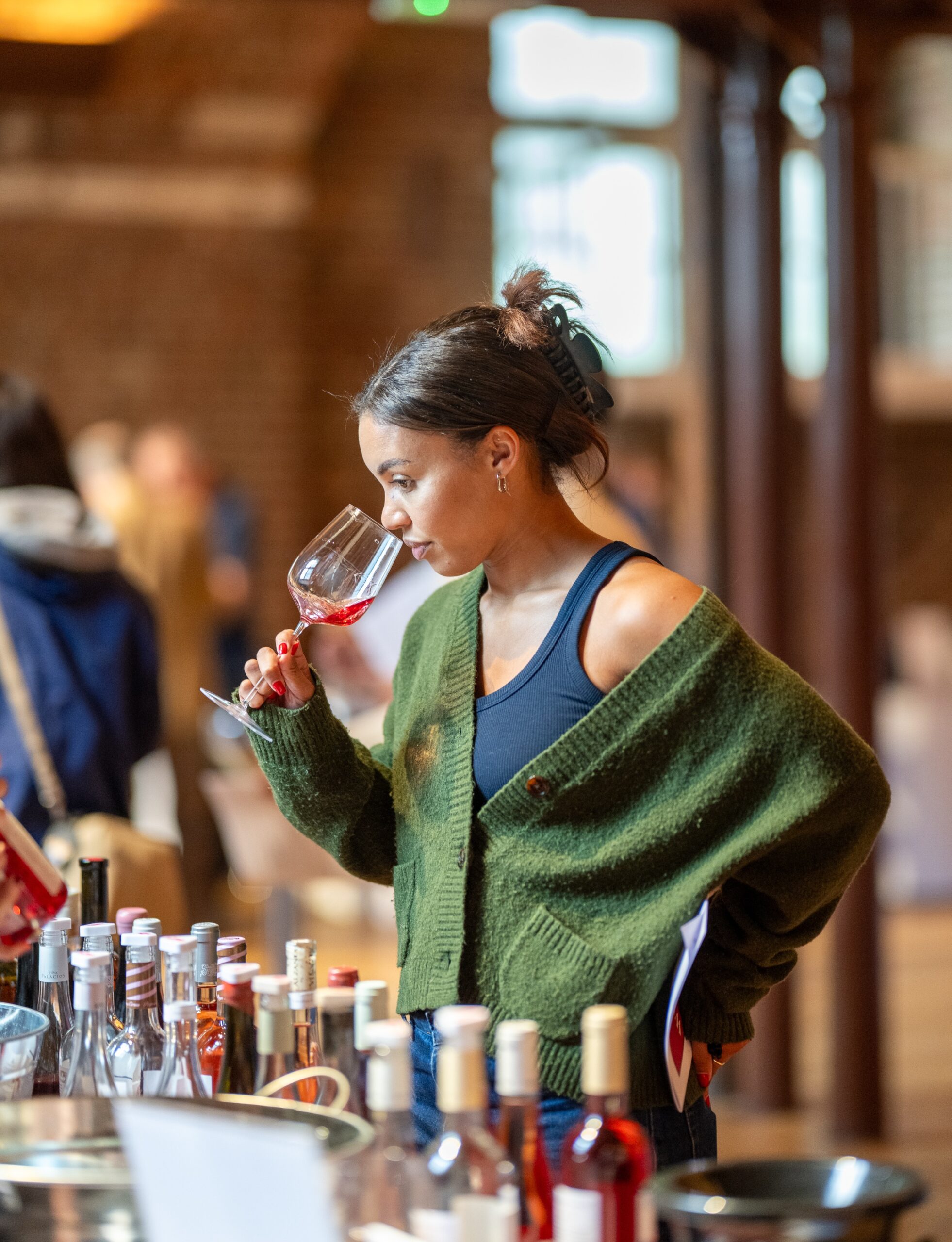
What is the D.O.Navarra Academy?
The first teaching of D.O. Navarra Academy It's just that You don't need to know about wine to enjoy it. That being said, as in all areas of life, when we like something, it is wonderful to be able to broaden our horizons in order to enjoy it with greater intensity and understanding.
That said, the D.O. Navarra Academy is a meeting place for all those people interested in wine culture and eager to deepen their knowledge of it.
“Wine Initiation Manual”
We present the manual "Initiation to Wine".an essential guide to know everything about grapes, the winemaking process, wine tasting and consumption.
Created by the Regulatory Council of the D.O. Navarra, this file is designed so that beginners and amateurs alike can learn and enjoy each glass even more.
Download it now and immerse yourself in this wonderful world.
Grapes and wine
The vineyard It is a plant capable of driving its roots to great depths, if the soil allows it. There it will search for certain nutrients and a stable water source that will allow it to withstand the rigors of summer. The orientation of the land and its slope also affect sunlight exposure and, therefore, the ripening of the grape.
The climatology It also has a decisive influence; every winegrower fears spring frosts, extreme drought, and late rains before the harvest, which hinder ripening and encourage disease... These factors give rise to the concept of the vintage.
Finally, the man It plays a role both in vineyard work (pruning, treatments, tilling, weeding, etc.) and in winemaking. Human intervention is essential, since even the finest grapes would turn into the worst vinegar if humans did not guide, direct, and control the transformations that take place during the fermentation and aging of wine. However, a wine’s 90% is fundamentally determined by the grapes from which it is made. In other words, the task of a good winemaker is to ensure that exceptional grapes produce an exceptional wine, but what they will never achieve is turning mediocre or ordinary grapes into a remarkable wine.
For more information, download:
1/6
Winemaking
Before beginning to describe the different types of wines and their production, it must be emphasized that, as already stated, quality grapes are necessary to produce a good wine. The reviled “powdered wine” (chemical wine) is hardly feasible: wine possesses more than 700 different components, and reproducing it in a laboratory is extremely costly. It is much more “economical” to make wine from grapes, since a kilo of them produces approximately the contents of a ¾-liter bottle; this argument should serve to convince the most recalcitrant.
For more information, download:
2/6
Wine aging
The great red wines of the world, and most of the most notable whites, are aged in oak barrels before being bottled. After their time in them, the wines emerge enhanced, much more complex, and rich in nuances. The countries of the New World clearly favor the use of wood chips (from different origins and toast levels) to give their most commercial wines aging aromas. Costs, labor, facilities are reduced... but logically, the results are not the same as those obtained with the barrel.
Good aging consists of two phases: one in barrels and another in bottles; in the latter, the wine is polished, rounded out, and reaches its maximum potential. Thus, aging endows wines with greater complexity and balance. Factors such as the type of wood, time, and storage conditions influence the aromas and flavors that quality wines develop during this process.
For more info, download:
3/6
The tasting
Wine tasting is much simpler than it seems and, above all, it is natural or innate, since we learn it as children. Whenever we are about to eat a food, the first thing we do is look at it (and it has to appeal to us), then we smell it (a sense of alertness, to check that it doesn't smell bad or weird) and, finally, we put it in our mouths to taste it (where we decide whether we like it or not). Similarly, sight, smell, and taste work together to reveal the nuances of a wine. From color and aromas to flavor and persistence, tasting is a sensory experience that allows us to appreciate the richness and uniqueness of each wine.
For more information, download:
4/6
Wine consumption
To fully enjoy wine, it is essential to preserve and serve it properly. Temperature, glass and pairing all influence the experience. In addition, understanding the optimal moment of consumption allows you to enjoy each bottle at its maximum splendor.
For more information, download:
5/6
The five most frequently asked questions about wine
Why do some wines have sediment? What are sulfites? These and other common questions are answered in this section. From the difference between rosés and clarets to the meaning of organic wines, the most common doubts of people interested in the world of wine are clarified here.
For more information, download:
6/6
Courses and tastings
Vinos D.O. Navarra Awards in Hospitality 2026
The D.O. Navarra is creating the first "Vinos D.O. Navarra Awards in Hospitality 2026" to recognize the hospitality industry and the trade...
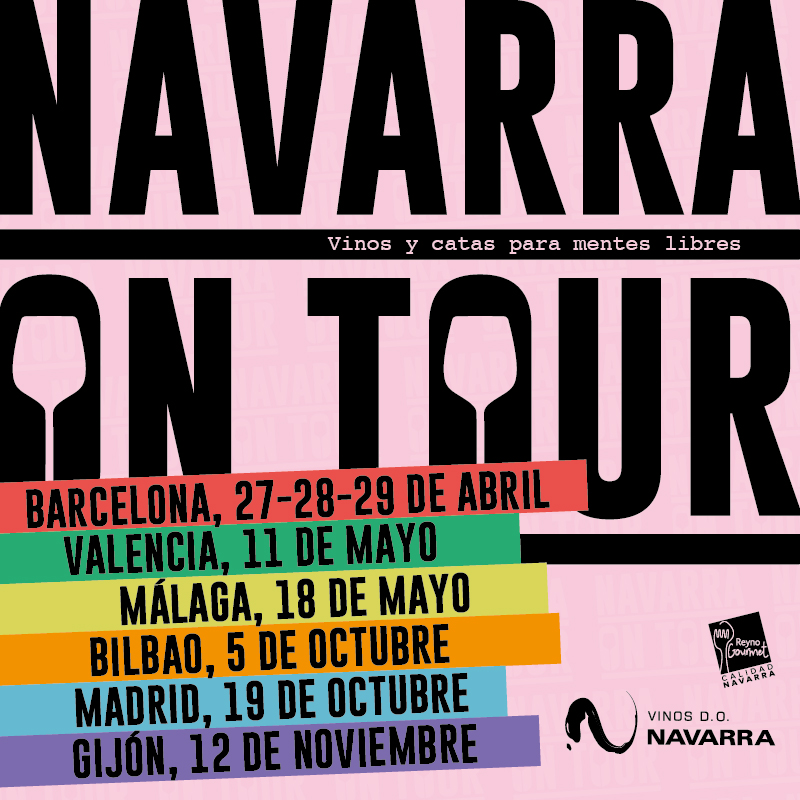
Navarra On Tour 2026
Navarra On Tour: Wines and Tastings for Free Spirits The Navarra Denomination of Origin launches "Navarra On Tour," a national tour...

NAVARRA AT ITS ORIGIN – Wine Tastings and Good Company
Dates: Corella, June 3 // Lekunberri, June 26 // Puente La Reina, November 13 // Estella, November 6 and 20....
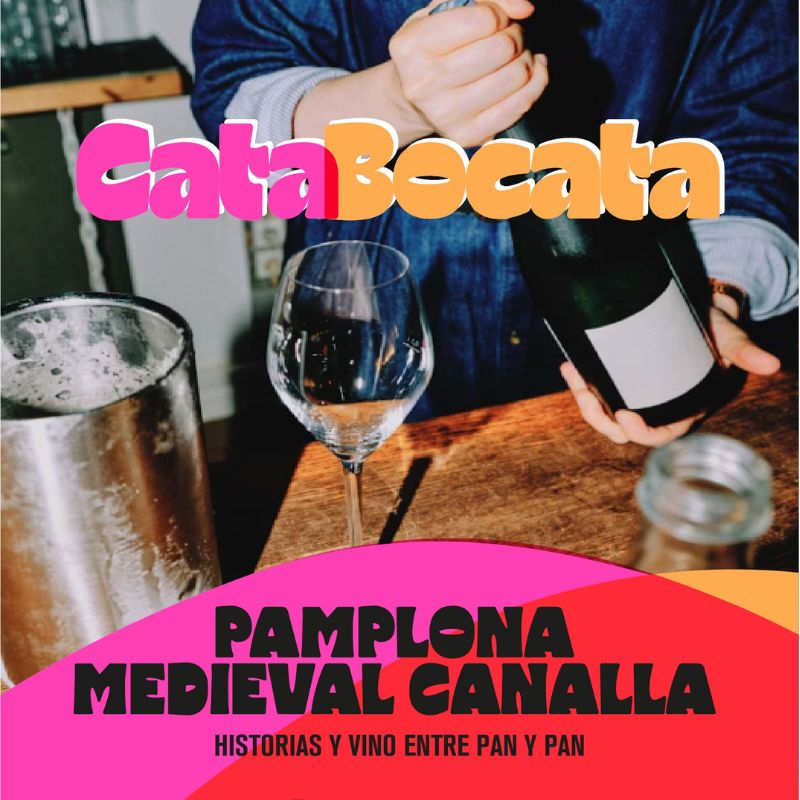
Cata Bocata. Stories and wine between bread and bread.
Date: August 26, 2026 Cata Bocata is launching a different way to tell the story of and taste Pamplona in Pamplona. The new...
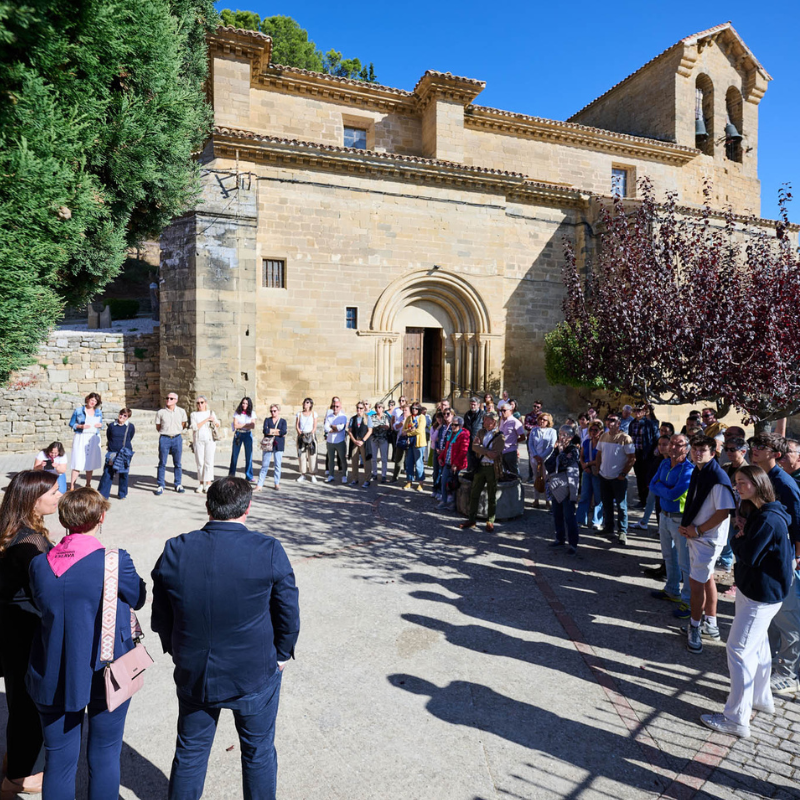
Legatum will retrace the history of Eslava.
Date: September 5, 2026 The second edition will be held on September 5 between the Núcleo building, the medieval passageway...
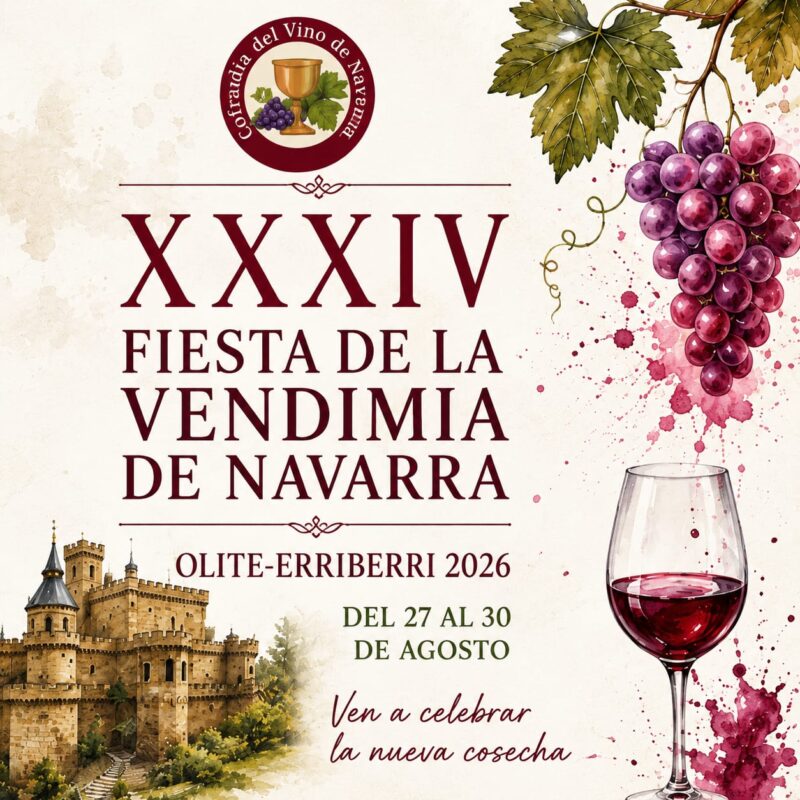
34th Olite-Erriberri Wine Harvest Festival 2026
Date: August 27 to 30, 2026 The schedule organized by the Cofradía del Vino de Navarra combines tastings, gastronomy,...
 English
 Spanish
 German