


Roots of a millenary history
Centuries have passed since the first vines sank their roots in Navarre, marking the beginning of a winemaking history that continues to sprout to this day. A tradition that dates back to Roman times, when a wine culture began to take shape that not only defines, but also shapes and gives character to our land. A passion for wine that has endured through the centuries, adapting and evolving, but always faithful to its roots.
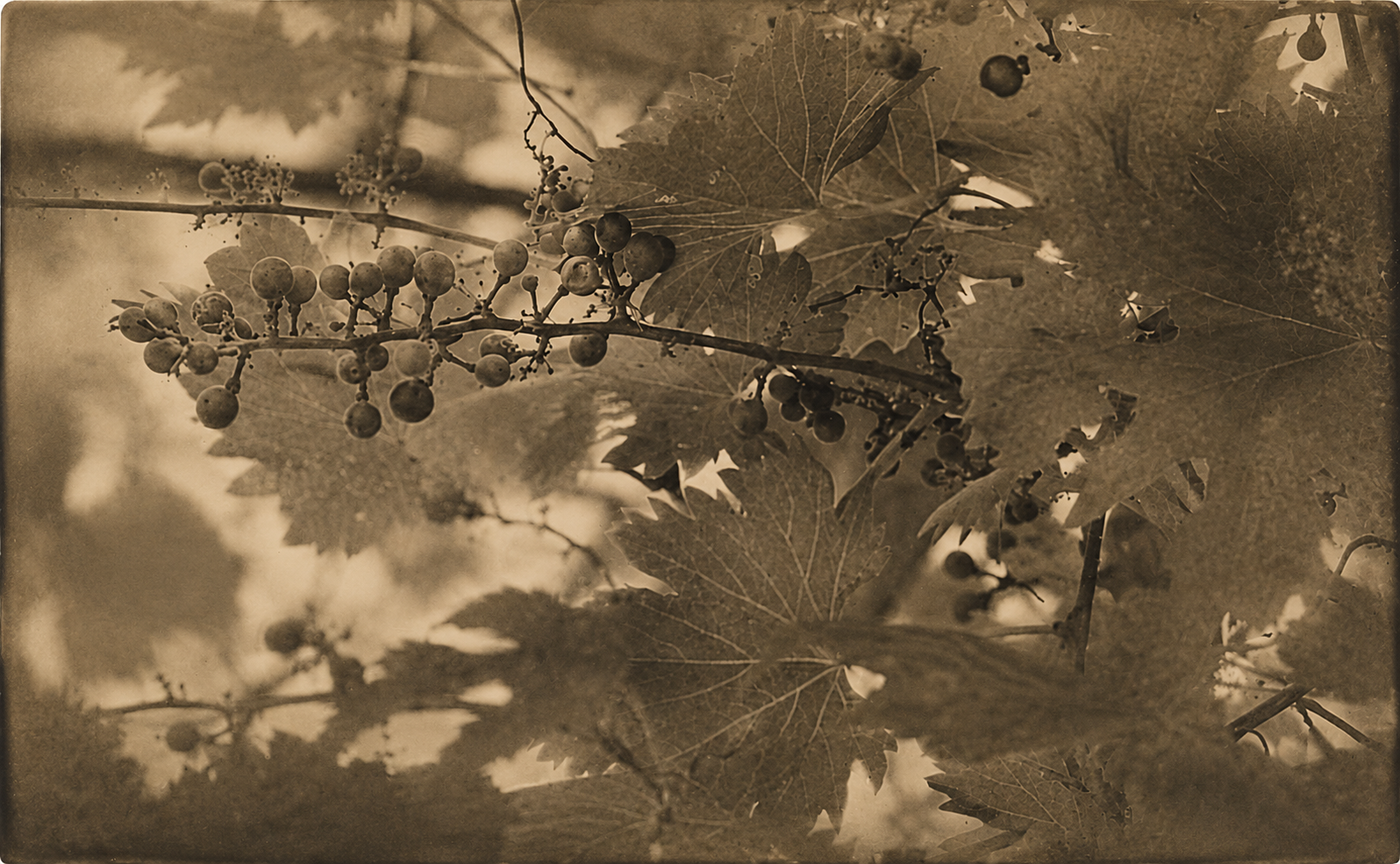
Five million years of history.
Scientific Discovery: “Vitis Silvestris” found in Navarre.
Vitis Silvestris, considered the primitive and original vine, dates back to 5 million years ago. Although this plant has existed since then, its identification in Navarra is a recent discovery made by researchers, highlighting the uniqueness of this region as one of the few places in the world where this plant material has been found.
1 / 5
2/5
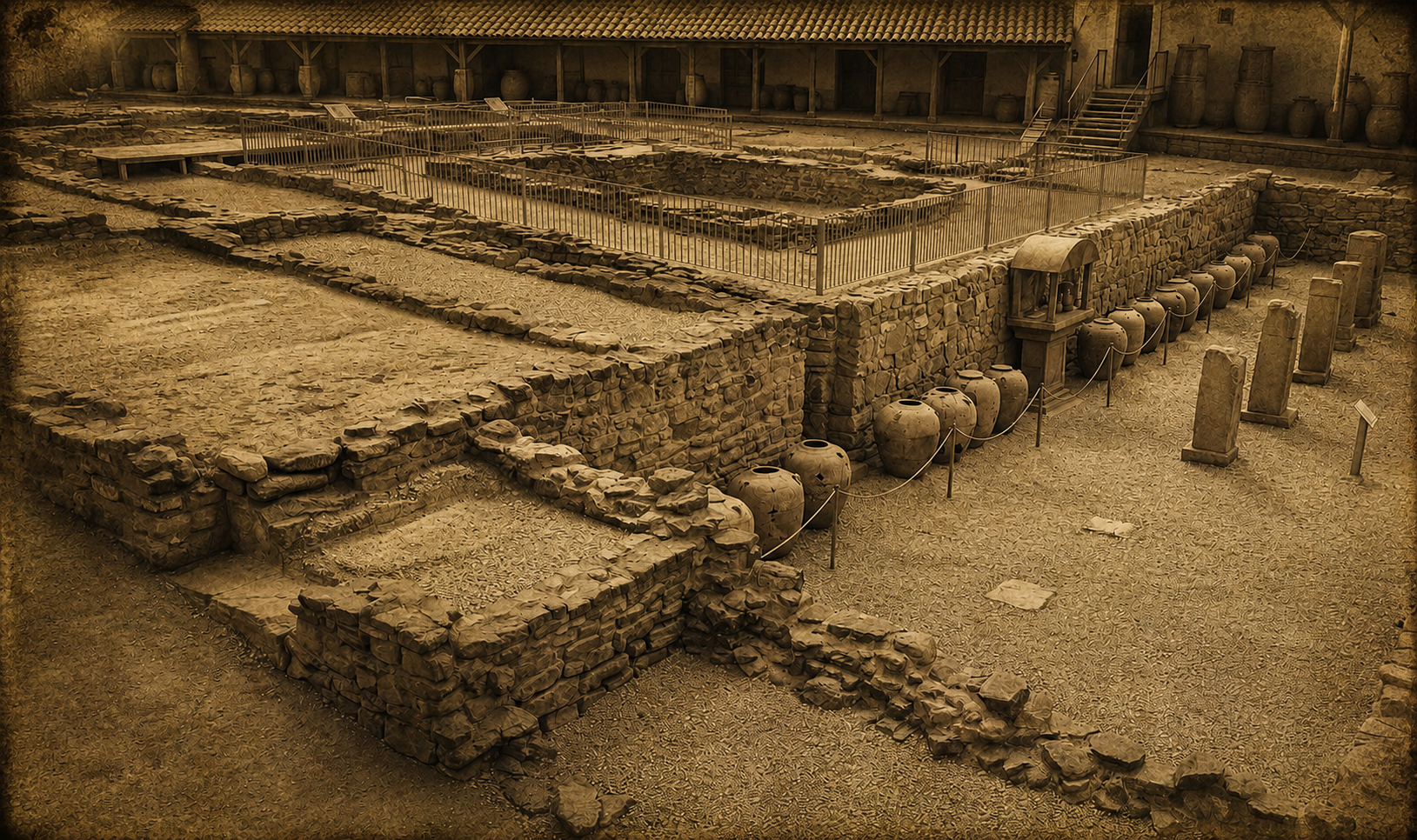
Antiquity: Roman Era.
The first documented evidence of grapevine cultivation and winemaking in Navarre comes from the period of Roman rule. Remains of ancient Roman wineries, funerary monuments, and amphorae confirm the social and economic importance of grapevine cultivation in this era. Under Arab rule, the importance of the grapevine was maintained and, little by little, the boundaries of its cultivation expanded.

Middle Ages: Monasteries and the Way of St. James.
The creation of the first monasteries, in the 9th and 10th century, and the beginning of the Way of St. James There were two events for the progress of the vineyards. From the hands of pilgrims, new wine grape varieties arrived in Navarre, and the renewal of winemaking techniques had its most important center of propagation in the monastic cloisters.
In the 14th century, Navarre was already an important producer and exporter of wine. At the beginning of the The 15th century was probably the time of greatest expansion of cultivation extending north beyond the limits of Pamplona. The farmers of the capital had the grapevine as their main crop, to the point that it was necessary to limit its extent in order to cultivate cereal, which was necessary for the food of the inhabitants of the Kingdom.
3 / 5
4 / 5
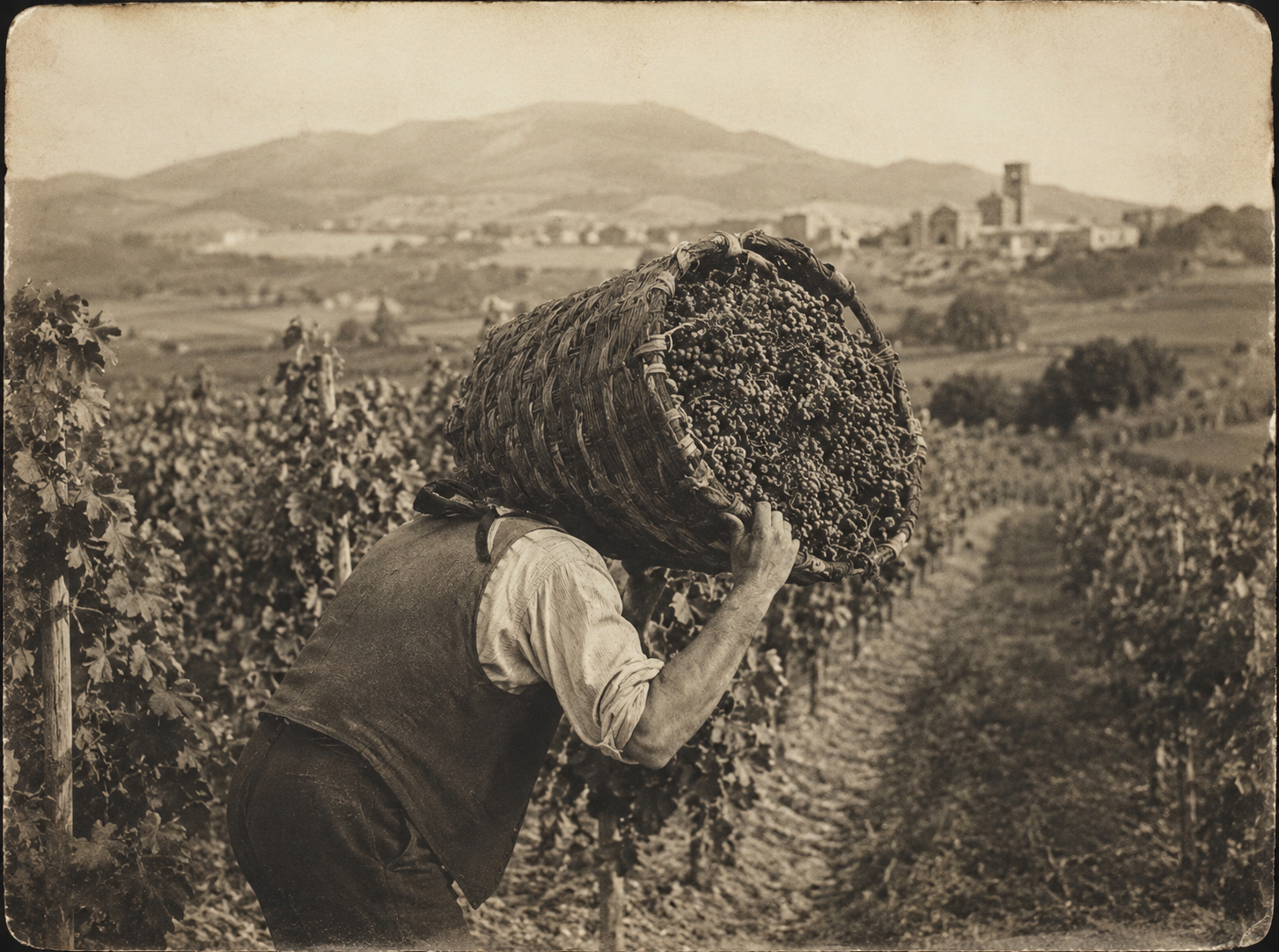
Contemporary Era
The 19th century was the one of greatest boom for Navarrese viticulture and at the same time the most catastrophic. The appearance of phylloxera in France starting in 1856 caused, in the face of the destruction of the neighboring country's vineyard, an authentic explosion of wine cultivation and export to the Gallic country in Navarre. But a few years later phylloxera also arrived and devastated the Navarrese vineyard. Of the 50,000 hectares under cultivation in Navarre, 48,500 were destroyed.
Following this catastrophe, the initiative arose for the reconstruction of the entire Spanish vineyard. Driven by the Provincial Council, new nurseries of phylloxera-resistant plants were established to supply Navarrese vine-growers and all those from all over Spain who requested the new rootstock and wine grape varieties.
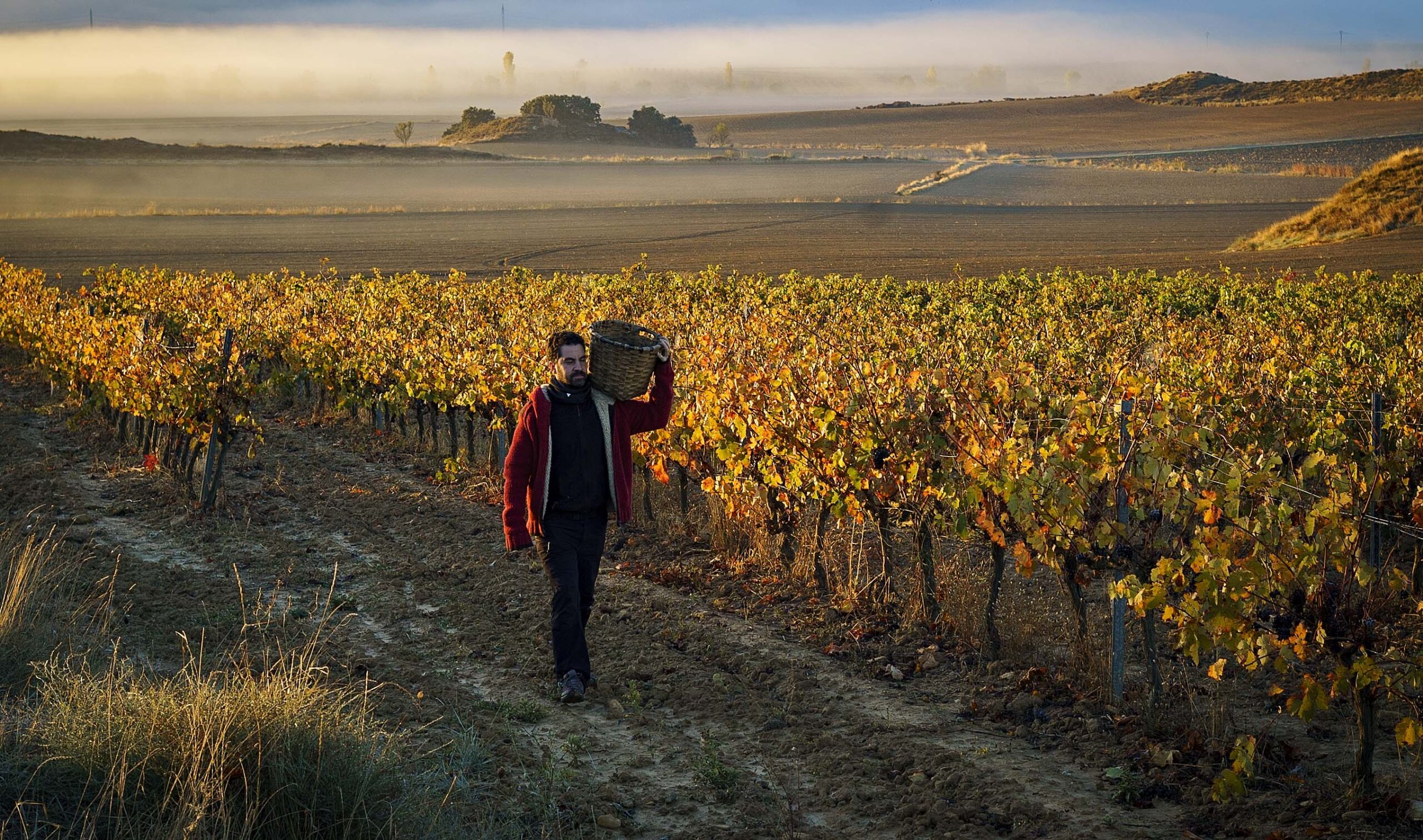
News
Nowadays, the Denomination of Origin Navarra it has more than 8,000 hectares of vineyards, distributed across five production zones. This region has established itself as a benchmark in the production of high-quality wines, combining tradition and innovation to offer a great diversity of unique wines.
 English
 Spanish
 German